
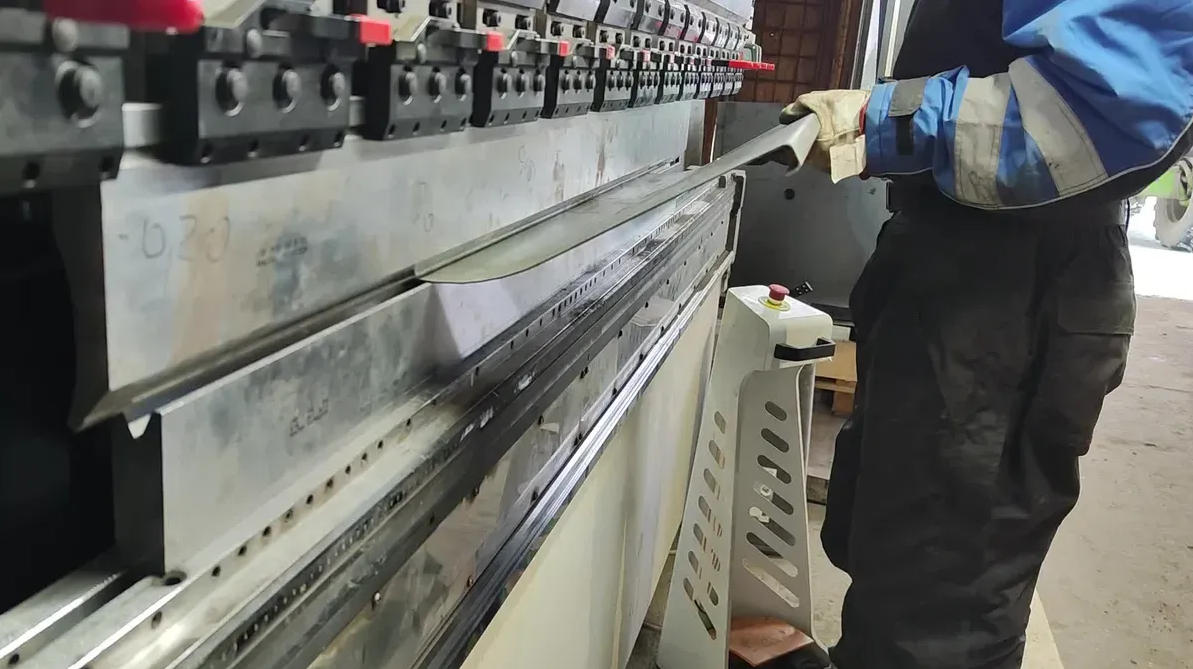
New automation changes sheet metal work by swapping hard manual labor for automatic U-shaped coil lines, fiber lasers, and robotic corner tools. An automated hvac duct machine leads this big change using fast building methods, smart metal coil use with no waste, and exact edge shaping. Sheet metal workers can now finish an entire hvac duct section in only 20 to 23 seconds.
|
Performance Metric |
Manual Production |
Automated Forming |
|---|---|---|
|
Speed |
5–10 meters per minute |
30–50 meters per minute |
|
Material Waste |
10–15% |
2–5% |
This special hvac equipment gives great accuracy through every single step of building. Shop managers cut down worker costs, raise total shop output, and boost overall profits in 2026.

The growth of sheet metal work marks a big turning point for modern hvac duct makers. Advanced automated duct lines machines now replace hand layouts, heavy lifting, and slow cutting across the metal industry. Automated sheet metal building brings high accuracy to every shop task.
Old duct making needed hand marking and manual cutting from paper plans. Skilled workers spent long hours measuring single pieces of sheet metal. This slow work caused big delays and mismatched material sizes. Modern computer systems now update this whole building process through simple central controls.
Today, strong coil lines handle heavy metal sheets up to 2.0mm thick with ease. Automated lines uncoil, flatten, and notch metal in one smooth run. These automatic duct lines save floor space and speed up movement around the shop. Machines also form tight side seams and strong end flanges without ever stopping.
|
Feature |
Automated U-shaped Duct Line |
Legacy Manual Process |
|---|---|---|
|
Control |
Centralized PLC with servo motors |
Manual marking and layout |
|
Staffing |
1–2 operators |
High manual labor dependency |
This modern gear boosts total output by 30–50% while cutting worker costs by up to 40%. New duct making relies on non-stop line work to clear out slow spots. Running with just 1–2 workers on each line makes the whole shop much safer.
Better airflow needs drive major upgrades in building duct designs today. Metal workers pick special duct shapes to solve hard installation problems and fit tight budgets. Fast factory building lets shops make round spiral pipes right next to basic square duct setups.
Spiral pipes have a smooth round shape held by one long seam. This design offers great performance perks over old square metal ducts:
Built-in controls speed up duct making across all shop layouts. Smart bending tools make tight joints, neat edges, and steady airflow on every custom job.
Modern manufacturing plants rely on advanced automation to boost daily production speed and output quality. Digital tools now drive the sheet metal fabrication industry into a dynamic new era. Smart fabrication technologies integrate computer numerical control systems directly with central shop management networks. Modern fabricators utilize cnc fiber laser cutting machines to process raw sheet materials with exceptional speed and accuracy. These high-powered fiber lasers deliver clean edges, complex shapes, and exact fitting components without requiring human intervention.
"The ducting and sheet metal industry is evolving, and embracing digital fabrication tools... is key to that transformation. Innovation lies not just in machinery but in mindset—combining precision engineering, smart workflows, and customer-first execution."
|
Technology / Feature |
Impact on Fabrication |
|---|---|
|
Fiber Laser Cutting |
Delivers tight tolerances and smooth edges on complex duct parts. |
|
CAD/CAM Integration |
Automates component layouts to eliminate operational layout errors. |
|
AI Process Control |
Lowers defect rates by 15% and cuts overall cycle times by 20%. |
Progressive ductwork fabrication shops adopt smart technology to fulfill demanding commercial order schedules reliably. Advanced cutting systems minimize airflow resistance and lower thermal loss inside finished ductwork installations. Automated software optimizes sheet nested layouts during heavy cutting operations to eliminate excess coil material scrap. These systematic upgrades increase shop efficiency while protecting project profit margins across the fabrication industry. High-speed hvac production systems give modern contractors a strong competitive edge on large commercial building projects.
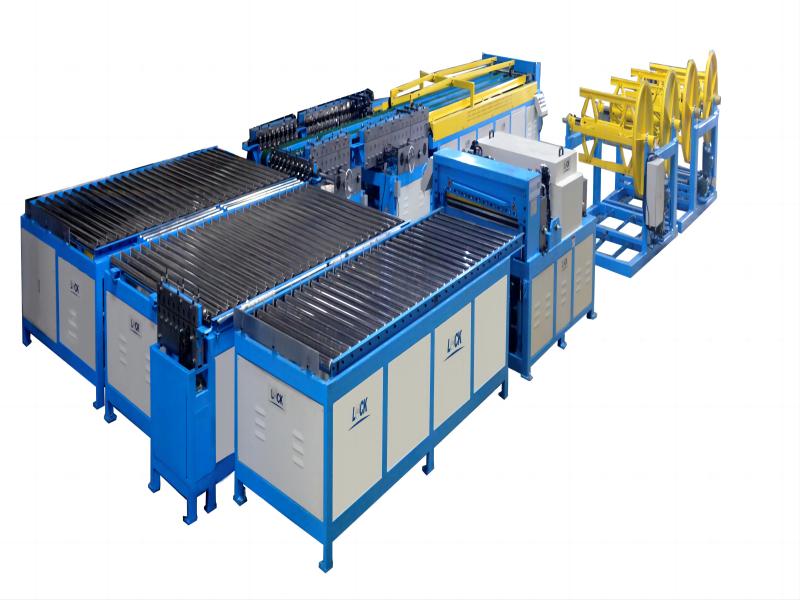
The LOCKFORMING Auto Line VIII serves as an advanced hvac duct machine benchmark for high-speed manufacturing environments. This machinery uses a space-saving U-shaped structural layout. This clever structural design drastically reduces overall workshop floor footprint while shortening material transfer times between individual processing units. A primary hvac duct machine processes raw metal coil stock into a finished rectangular ductwork piece in just 20 to 23 seconds.
This heavy-duty line handles tough galvanized iron sheets up to 2.0mm thick without stopping. The steady, automated system links every key duct-making step into one smooth, fast process:
Industrial hvac contractors rely on continuous ductwork fabrication lines to maintain precision across large construction projects. Reliable electric drive motors power every feed station to ensure strict dimensional accuracy. Integrated hydraulic folding mechanisms create tight joints across every custom ductwork piece. Two separate lock-forming units manage distinct seam profiles without requiring manual setup changes or line downtime. Operators easily program exact cut lengths through a central digital interface. The line automatically punches structural tie-rod support holes and flange corner holes during active material run cycles. Continuous automated handling eliminates physical workflow bottlenecks on the factory floor. This high-capacity line expands total shop ductwork output while consistently delivering high ductwork fabrication quality.
Upgrade to Auto Line VIII Today
Maximize workshop efficiency and automate your heavy-duty HVAC duct fabrication with high-precision U-shaped performance.
Automated ductwork fabrication systems deliver major financial benefits for modern sheet metal fabrication plants. Upgrading to automated equipment replaces 2 to 4 skilled workers per shift. Automated lines increase total production speed 3 to 4 times over manual methods. High-speed systems output up to 3000 square feet of ductwork per hour. This massive boost in daily efficiency drives overall shop profitability upward.
Modern technology optimizes raw material usage while promoting environmental sustainability across daily operations.
Automated flange forming improves tight connection seals and lowers air leakage across ductwork installations. Hydraulic folding units apply uniform pressure to shape straight edges and exact flange corners. Perfect structural precision reduces scrap material and eliminates costly manual rework. Consistent seam alignment prevents air loss during system operations. Modern energy-efficient machinery lowers overall utility costs while keeping high daily output rates. High-quality ductwork fabrication ensures reliable project performance in demanding commercial jobs.
Automated slitting and forming machines deliver rapid operational payback, with typical ROI timelines ranging from 2 to 12 months based on total production volume.
A standalone TDF flange machine costs approximately $15,000 and generates $6,000 to $12,000 in average monthly savings. High production volume reduces the primary payback period to just 2 to 6 months. Smaller production shops achieve complete equipment payback within 6 to 10 months. Rapid cost recovery transforms hvac ductwork fabrication into a predictable, highly profitable operation. Advanced automation supports shop efficiency and long-term sustainability while protecting core business revenue through reliable manufacturing.
In 2026, new gear changes how workers build things every day. Getting a fast hvac duct machine helps bosses control shop work and make more money. Fast building tools create a done square pipe in just 20 to 23 seconds each time. Smart controls stop waste of metal rolls and make sure all side pieces fit right. This non-stop good work proves that new tools really help modern metal shops succeed.
Shop owners need to trade old hand lines for small, space-saving sheet metal tools. Adding full factory automation cuts the need for extra workers, protects money, and keeps the whole business growing well.
An automated hvac duct machine makes a whole square duct piece in 20 to 23 seconds. The non-stop machine works on tough iron sheets up to 2.0mm thick without stopping for hand fixes.
New coil lines easily work with heavy iron sheet metal up to 2.0mm thick. The single line handles unrolling, flattening, grooving, cutting notches, and bending all in one smooth run.
A U-shaped design saves a lot of floor space in the shop. This small setup makes moving metal between stations faster and removes slow spots on the factory floor.
Metal shops pay off their new machine costs in 2 to 12 months, depending on work volume. Fast building speeds and less wasted metal help contractors earn strong, lasting profits.
online service



 IPv6 network supported