
Top picks by use case:Budget garage table: Langmuir Systems CrossFire 2x2
You will see these four names often while comparing CNC Plasma Cutting Machines. Price, footprint, torch height control, and support separate them more than raw specs do.
This guide to CNC Plasma Cutting Machines speaks to hobbyists, job shops, and fabrication startups. Expect a neutral, jargon-free comparison. Every machine gets credit for the work it does best. Lockforming Machinery's lineup and support resources sit among the CNC Plasma Cutting Machines options evaluated here.
An entry-level table covers a cutting area of roughly 2x2 to 4x4 feet. It runs on single-phase power from a standard shop outlet. An industrial CNC plasma cutting machine looks nothing like this. It uses a heavy gantry frame, three-phase power, and a cutting bed measured in feet or meters on each side. These systems cut thick plate all day and cost accordingly.
The control side differs just as much. Industrial gantries carry complex controllers, automatic nesting, and multi-torch setups. Small-shop tables pair a simple controller with a hand-held torch or a compact plasma cutter. You load a file, set the origin, and cut. That simplicity keeps the learning curve short.
Cost is the first reason. A budget table with height control starts around $6,000, a fraction of an industrial system. Footprint is the second. A 2x2 or 4x4 table fits in a garage bay and leaves room to work around it. You do not need a forklift or a reinforced floor.
Software rounds out the fit. Most small-shop CNC Plasma Cutting Machines ship with beginner-friendly CAM software. You import a drawing, assign a cut path, and post the code. A fabrication startup can train a new operator in an afternoon. A hobbyist can cut brackets, signs, and repair parts on weekends. The machine scales with the work instead of demanding a production line to justify it.
The Langmuir Systems CrossFire 2x2 suits a one-car garage. Its 25" x 23" cutting area handles brackets, tabs, and small signs. The frame breaks down for storage, and the price keeps entry risk low. You give up sheet capacity, not cut quality. Most owners pair it with a compact plasma cutter and a laptop, a common pattern among budget CNC Plasma Cutting Machines.
The ArcDroid wins on setup speed. You clamp it to a bench or directly onto the workpiece, and it needs no dedicated table. Hobbyists who cut occasional repair parts value that flexibility. Travel work and field repairs also favor this design. Neither machine ships with a full enclosure, so plan for sparks and fumes.
Budget tables with height control start around $6,000. That figure buys a workable entry into CNC Plasma Cutting Machines, and it sets a realistic floor for your shopping list. Skip height control and you save money upfront. Thin gauge metal will then punish you with dross and short consumable life.
A 4x4 table for mild steel is a common small-shop request. The Eastwood Versa-Cut 4x4 fits small businesses that cut full sheets and want a turnkey package. The footprint stays garage-friendly, and the bundled torch simplifies the buying decision. Owners report a short path from unboxing to first cut.
The ShopSabre targets buyers who want American-made construction and heavier duty cycles. Pricing starts at $32,995, so it sits in a different budget tier. The frame and support structure reflect that jump. Job shops with steady production work justify the difference.
Established entry-level names round out the field. Torchmate, PlasmaCam, Arclight Dynamics, Techno CNC, and Cyrious all sell tables with mature software ecosystems. Each brand has loyal users and a distinct strength. Torchmate emphasizes training resources. PlasmaCam emphasizes integrated design software. Arclight Dynamics emphasizes American assembly. Techno CNC emphasizes motion control. Cyrious emphasizes value pricing.
An industrial CNC plasma cutting machine remains the reference point for throughput. Small shops rarely need that capacity. Compare these CNC Plasma Cutting Machines on the work you actually cut, not on the maximum the market offers.
The table below summarizes the field.
|
Machine |
Cutting area |
Best fit |
|---|---|---|
|
Langmuir CrossFire 2x2 |
25" x 23" |
Garage hobby work |
|
ArcDroid |
Workpiece-mounted |
Fast setup, field work |
|
Eastwood Versa-Cut 4x4 |
4x4 ft |
Small business sheet work |
|
ShopSabre |
Step-up tier, from $32,995 |
Steady production |
Read this comparison as a filter, not a verdict. Start with your largest common cut. A shop that rarely exceeds two feet of sheet gains little from a 4x4 bed, and the extra footprint costs floor space every day. Power matters next. All four picks run on single-phase shop power, so a standard outlet covers the install. Budget for the plasma cutter, the air supply, and the ventilation as separate line items. Those three items often rival the table price. Ask each seller for a cut sample in the thickness you use most. A demo answers more than a spec sheet. Weight your decision toward the machine that matches your typical job, not the one with the longest feature list.
Torch height control holds the nozzle at a steady gap above the metal. Arc voltage rises and falls with that gap, and the controller moves the torch to keep it constant. Thin sheet punishes a fixed torch. The metal warps as it heats, the gap drifts, and the cut edge collects dross. A height controller corrects that drift while the cut runs.
Consumable life follows the same logic. A torch that drags on the work or arcs too far away burns through nozzles and electrodes faster. You replace parts more often and lose cutting time. Budget tables with height control start around $6,000. That premium buys cleaner edges on thin gauge and longer consumable life. Skip the feature and you save money upfront on your CNC Plasma Cutting Machines purchase. Thin metal will then charge you back in rework and replacement parts.
Match the bed to your largest common cut, not the largest cut you might attempt someday. A shop that rarely exceeds two feet of sheet gains little from a 4x4 bed. The extra footprint costs floor space every day. A 2x2 table fits a garage bay and leaves room to walk around it. A 4x4 table handles full sheets and suits steady sheet work.
Power decides the install. Small-shop tables run on single-phase shop power, so a standard outlet covers the machine. Check the plasma cutter's draw separately from the table's electronics. Plan for air supply and ventilation as separate line items. Those two items often rival the table price. An industrial CNC plasma cutting machine needs three-phase power and a reinforced floor, a different class of install entirely.
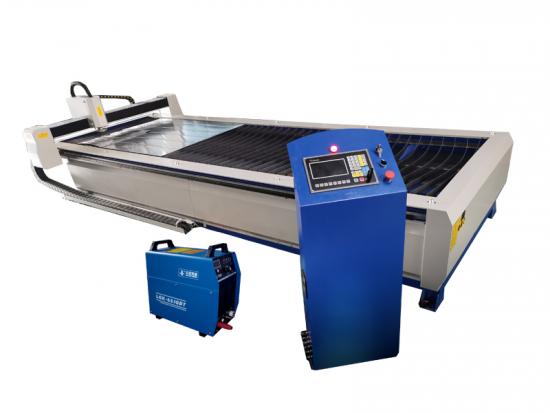
We scored every machine on five factors: price, size, features, support, and real-world small-shop use. Price covers the table itself plus the plasma cutter, air supply, and ventilation. Size means the cutting area and the floor space the frame occupies. Features center on torch height control, software, and the controller. Support covers documentation, training, and reachable help. Real-world use asks a simple question: does the machine fit the jobs a small shop actually takes?
A sign shop, an HVAC plasma cutting machine buyer, and a repair garage each need something different. We weighted typical cut size above maximum capacity. We favored single-phase power and beginner-friendly software. We also checked whether each seller offers demos and cut samples. A machine that wins on paper can still lose on the floor. These criteria keep the comparison grounded in daily work.
Lockforming Machinery serves as a resource throughout this evaluation. The company offers guidance on matching a table to your cut sizes and shop power. Its team can walk you through torch height control, consumable selection, and ventilation planning. Accessories and support resources round out the offering, including help with an LCD plasma cutting machine setup and controller questions.
We did not rank Lockforming Machinery above or below any competitor. Each machine in this guide earns its place on the criteria above. Lockforming Machinery simply gives you another place to ask questions and source parts. Use that support to shortlist two or three options, then request demos. The right industrial CNC plasma cutting machine for your shop depends on your work, your space, and your budget.
The sticker price covers the table and little else. Add the plasma cutter, the air supply, and the ventilation first. Those three items often rival the table price, as noted earlier. Then budget for consumables. Nozzles and electrodes wear out on a schedule, and thin gauge metal wears them faster. A shop that cuts daily replaces them far more often than a weekend hobbyist does.
Software belongs on the list too. Some packages ship free with the table. Others charge a license fee or a subscription. Support contracts add another line. Ask each seller what the first year costs beyond the purchase price. An HVAC plasma cutting machine buyer who cuts duct fittings all day will burn through consumables faster than a sign shop. Match the ongoing cost to your actual volume, not to a brochure estimate.
Ask for a demo before you commit. A cut sample in your common thickness answers more than any spec sheet. Confirm the seller offers training, whether on-site or remote. Beginner-friendly CAM software shortens the ramp for a new operator. Check that the controller documentation covers your model, including an LCD plasma cutting machine setup if that matches your pick.
Reachability matters as much as the training itself. Test the support line with a real question before you buy. A quick answer builds confidence. A slow one tells you something. Lockforming Machinery serves as a support resource here, offering guidance on consumables, ventilation, and controller questions. Use that help to compare your shortlist, then request demos from two or three sellers. An industrial CNC plasma cutting machine purchase rewards patience at this stage.
No single machine earns the title of best. Your typical cut sizes, your budget, and your floor space decide the winner. A garage hobbyist and a busy job shop need different tools, and both can succeed with the right match.
Weigh total cost of ownership above the sticker price. Consumables, software, air supply, and ventilation shape the real number. A cheaper table can cost more across a year of steady cutting.
Shortlist two or three CNC Plasma Cutting Machines and request demos. Cut samples in your common thickness reveal more than any spec sheet. Lockforming Machinery offers guidance and support while you compare. Take that help, then test each machine against your own work.
Plan for roughly $6,000 to get a budget table with torch height control. Add the plasma cutter, air supply, and ventilation on top. Those three items often rival the table price. A weekend hobbyist can start lower by skipping height control, but thin metal will cost more in consumables.
Start with your largest common cut. A 2x2 bed such as the CrossFire's 25" x 23" area covers brackets and small signs. Choose a 4x4 table when you cut full sheets regularly. The extra footprint costs floor space every day, so match the bed to real work.
Yes, for thin gauge metal. A fixed torch lets the gap drift as the sheet warps, and the edge collects dross. A height controller holds the gap steady and extends consumable life. Buyers who cut mostly thick plate notice less difference, so weigh the $6,000 starting point against your typical material.
All four top picks run on single-phase shop power, so a standard outlet covers the install. Check the plasma cutter's draw separately from the table's electronics. An industrial CNC plasma cutting machine needs three-phase power and a reinforced floor, a different class of install entirely.
Request a cut sample in your common thickness and test the support line with a real question. Confirm training, whether on-site or remote, and check that documentation covers your controller, including LCD plasma cutting machine setup if that matches your pick. An HVAC plasma cutting machine buyer cutting duct fittings daily should also ask about consumable costs at volume.
online service





 IPv6 network supported