
You want your Spiral Duct Machine to run at peak performance, safely, for years. That goal demands attention to small details. A loose belt or a dry bearing rarely announces itself. It simply shortens the life of your equipment.
Consider one common oversight. Many operators skip the weekly walk-around. They run the spiral tube forming machine until a problem forces a shutdown. You can avoid that pattern. Watch your belts, wheels, and bite device pressure. Keep lubrication fresh. Treat electrical safety checks as routine, not optional. Each habit protects your air duct spiral duct machine and the people who run it. Start with one inspection today, and build from there.
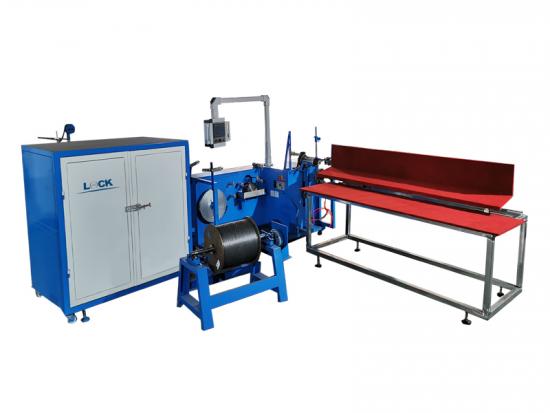
Walk around your machine while it runs. Listen for a slap or squeal from the belt drive. Watch the wheels for wobble or a glazed surface. Belts wear, stretch, and sometimes break. Wheels deteriorate over time, and a worn wheel throws off the forming action. A short observation period each shift catches these problems early, before they turn into a stalled line.
The maintenance guide published by byfomachine.com sets a practical rhythm for these checks. Inspect belt wear and tension monthly, and replace worn belts promptly. Check chain tension weekly, and adjust it or add lubricating grease as needed. Excessive chain slack can cause tooth skipping. Clean the feeding roller surface weekly and inspect the pattern for wear, since worn patterns may lead to slippage. Treat these intervals as a baseline for your spiral tube forming machine, then tighten them if your production hours run long.
The bite device deserves daily attention. Check the bite quality every shift, and confirm the finished seam shows no looseness. Stop the system immediately to adjust when you detect an issue. A loose or detached bite usually points to low pressure at the bite device. Observe whether the edge of the bite mold shows wear. Use a caliper to measure whether the bite depth meets the standard.
Correct the problem at its source. Adjust the pressure of the bite device and increase the clamping force. Replace worn bite molds. For high rebound materials, increase the bite depth appropriately or apply pre-pressing technology. Reduce production speed before you process hard materials such as stainless steel.
Finish with a look at the duct ends. Raised metal edges, sharp burrs, or uneven cuts signal a bite problem or a dull cut-off. Hold the duct steady and remove burrs gently with wire cutters. Never rush this step on a Spiral Duct Machine, because a slipping duct and a sharp edge make a poor combination.
The table below summarizes the routine checks described above.
|
Frequency |
Item |
Check or operation |
Point of attention |
|---|---|---|---|
|
Daily (per shift) |
Bite inspection |
Inspect finished bite quality; confirm no looseness |
Stop the system immediately to adjust when issues appear |
|
Weekly |
Transmission components |
Check chain tension; adjust or add lubricating grease |
Excessive slack can cause tooth skipping |
|
Weekly |
Feeding roller |
Clean the surface; inspect pattern wear |
Worn patterns may lead to slippage |
|
Monthly |
Belt |
Inspect wear and tension |
Replace worn belts promptly |
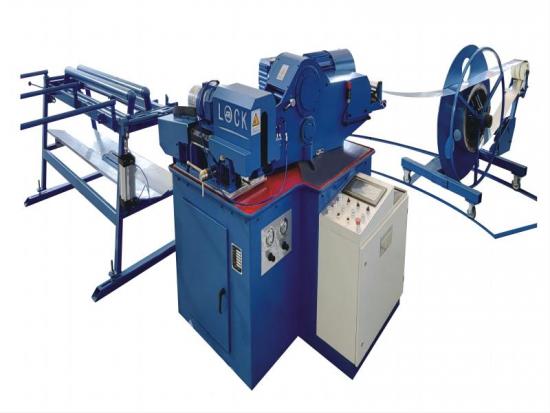
Oil carries the load inside every moving part of your machine. Fresh oil reduces friction, carries heat away from bearings, and keeps wear rates low. Old oil does the opposite. It collects grit, thins out under heat, and lets metal contact metal. Gears, chains, and the slider all depend on a steady film of clean lubricant. Treat lubrication as a scheduled task, not a reaction to noise. A dry bearing fails fast, and the repair bill dwarfs the cost of a single quart of oil.
The blkma.com oil selection guide gives clear specifications for this equipment. Follow them closely, because the wrong oil changes how the machine behaves.
Lockforming Machinery can advise on compatible lubricants and replacement intervals for your specific model. Ask before you switch brands or grades. A quick conversation prevents a costly mistake. Every industrial HVAC spiral duct machine benefits from this routine. Check the oil condition between changes as well. Dark color, a gritty feel, or a burnt smell means the oil has done its job and needs replacing early. The temperature range matters too. Oil runs thick when cold and thin when hot, and both extremes starve the moving parts.
Plan the oil change for a quiet shift. Gather the right oil, a clean funnel, a drain pan, and lint-free rags before you start. Work on a Spiral Duct Machine only after it cools.
Record the date and oil grade in a log. That record tells you when the next change is due and flags any pattern of contamination. Top off the oil level weekly between full changes, and note any steady loss. A slow drop in level often points to a seal or fitting that needs attention. Keep the funnel and rags clean, because grit enters easily. Dispose of used oil through an approved waste handler, never down a drain.
Consistent lubrication protects every bearing, chain, and slider on your equipment. Skipped oil changes show up later as heat, noise, and premature failure. Build the task into your schedule, and the payoff arrives as steady uptime and a Spiral Duct Machine that stays ready for the next job.
Electricity deserves your full respect around any air duct spiral duct machine. Inspect the power cord and the connections at the distribution cabinet before each shift. Look for frayed insulation, loose terminals, and any sign of heat damage. Tighten what you can reach safely, and flag anything else for a qualified electrician.
Never open the cover of the distribution cabinet while the main switch is not closed. blkma.com warns that contact with live electricity may cause serious injuries or even death. Shut the main switch first, then open the cover. Keep the cabinet interior dry and free of metal dust, because buildup invites short circuits.
Test the safety switch and the emergency shut-off switch on a regular schedule. blkma.com states that both must be checked and tested regularly to stay sensitive and reliable. Press the emergency stop and confirm the machine halts at once. Reset it only after you understand why it tripped.
Keep every guard in place during operation. Adjust the protective facilities to match the diameter of the round tube you are forming. Never remove a protection or safety device. Keep your hands clear of the forming head, and use the cut-off only as designed.
Lockout protects you during maintenance and adjustments. Close the main switch and isolate the power before you touch the machine. blkma.com advises against any maintenance work before the main switch is closed. Apply your own lock and tag, then verify the drive cannot start. Follow this procedure every time, even for a quick adjustment on your Spiral Duct Machine.
A written schedule turns good intentions into repeatable habits. blkma.com notes that belts may wear or break and wheels may deteriorate over time, so regular inspection and replacement keep the machine working at its best. The same source recommends replacing lubricating oil after a period of use, generally once a year, with the interval adjusted to your production workload. Wires and switches may loosen or suffer damage during operation, so proactive checks help eliminate hazards.
Build your checklist around these tasks. Keep it short enough to finish, and post it at the machine.
Adjust these intervals to your workload. A busy shop may need tighter checks than a single-shift operation. Review the list each quarter and update it as your spiral tube forming machine ages.
Some jobs belong to trained technicians. Call for help when you find frayed wiring, a tripped breaker that will not reset, or heat damage inside the distribution cabinet. The same applies to bearing noise that persists after lubrication, or a bite defect you cannot correct with pressure and mold changes. Lockforming Machinery supplies genuine replacement parts and offers professional service support, so you can source the right component and get expert help for your industrial HVAC spiral duct machine.
Keep a simple log of every inspection, repair, and part you replace. The record shows patterns, such as repeated belt wear or steady oil loss, and it helps a technician diagnose the problem fast. Store spare belts, filters, and oil near the machine, so a small fix never waits on a purchase order. A well-kept air duct spiral duct machine rewards this discipline with steady output and fewer surprises.
Three habits protect your investment: routine checks on belts, wheels, and bite pressure; fresh lubrication on schedule; and disciplined electrical and operational safety. Together they keep your Spiral Duct Machine running at peak performance.
Consistent, scheduled maintenance pays you back in uptime, longevity, safety, and lower costs. According to heat-exchange.com, maintenance parts for this equipment run around USD 500 a year, a modest sum against the price of a stalled line. Pick one task today, such as a shift-start bite check, and add the rest as the habit takes hold.
Lockforming Machinery stands behind your spiral tube forming machine with genuine replacement parts and professional service support. Reach out when you need guidance, and keep your equipment ready for the next job.
Replace the operating oil about once a year, and keep the change within three months of that mark. Check the oil between changes. Dark color, grit, or a burnt smell means you should change it early. Ask Lockforming Machinery about the right interval for your spiral tube forming machine.
Use No. 46 anti-wear hydraulic oil, and keep the oil temperature between 15 and 60 degrees Celsius. Filter the oil before you add it. Confirm the grade with Lockforming Machinery before you switch brands on your industrial HVAC spiral duct machine.
A loose or detached seam points to low bite pressure. Stop the machine and adjust the pressure. Check the bite mold for wear, and measure bite depth with a caliper. Replace worn molds when adjustment no longer holds.
No. Shut the main switch first, then open the cover. Contact with live electricity may cause serious injury or death. Apply your own lock and tag before any adjustment on your air duct spiral duct machine.
Maintenance parts for this equipment run around USD 500 a year, according to heat-exchange.com. That modest sum buys steady uptime. Keep spare belts, filters, and oil on hand so a small fix never waits on a purchase order.
online service





 IPv6 network supported