
The right machinery choice drives operational efficiency, enhances labor output, improves material yield, and supports long-term shop scalability. Investing in an automatic HVAC duct production line or a compact U‑shape auto duct line transforms your daily production operations and overall shop capabilities.
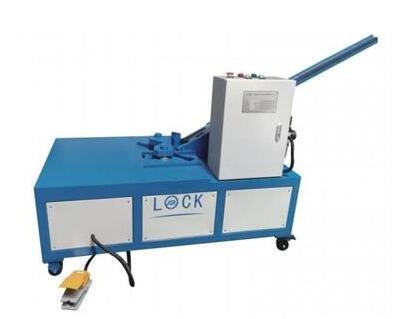
Evaluating your daily production volume drives the selection of your hvac duct line machinery. You must measure current shop throughput and anticipate future workload demands before committing capital. Project plans specify different dimensions for rectangular sheet metal channels. Performing a thorough ductwork takeoff quantity analysis reveals the exact proportion of standard straight runs versus specialized short segments. Standard coil lines efficiently process full-length straight sections directly from raw coil steel. However, fittings shorter than standard coil feeder lengths require manual cutting and rolling steps. Careful takeoff analysis helps you select machine capabilities that minimize manual handling and reduce scrap sheet steel. Precise initial duct sizing calculations ensure your shop selects equipment that matches routine sheet thickness and dimension needs.
|
Line Type |
Targeted Output Volume |
Primary Machinery Functionality |
|---|---|---|
|
Auto Line 2 & 3 |
Entry to Mid-Level |
De-coiling, leveling, shearing, and notch profiling |
|
Lock Super Lines |
High-Volume Industrial |
Full automation from de-coiling to seam closing |
Entry-level production facilities often face variable job demands and limited floor space. Auto Line 2 and Auto Line 3 system configurations provide ideal solutions for moderate output targets. These modular systems pull galvanized steel directly from expanding coil reels. An Auto Line 2 flattens raw steel sheet, cuts material to accurate length, and creates precision corner notches. Auto Line 3 expands these operational capabilities by adding hydraulic press punching features for drive cleat notches.
You control material feed speed and cut length through modern CNC control panels. Operators quickly input each targeted duct size to match job specs. These entry-level setups automate basic leveling and blanking steps, but your technicians complete downstream seam folding manually. Small shops achieve excellent material yield when producing custom ductwork without overinvesting in fully automated end-to-end lines. Proper duct sizing verification prevents material waste during initial sheet shearing. These machines process standard sheet steel gauges effortlessly while maintaining low operational energy overhead for your hvac facility.
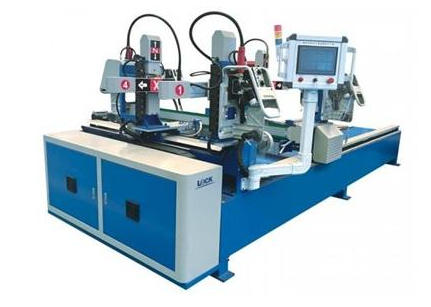
High-volume commercial fabricators require continuous output to meet aggressive construction deadlines. Investing in a fully automatic HVAC duct production line transforms large-scale operations through complete process automation. Lock Super Lines handle complete ductwork fabrication automatically from raw coil feed to finished rectangular section. These heavy-duty machines pull structural steel sheet, level the metal, punch required corner notches, roll Pittsburgh or snap-lock seams, and fold the profile into completed L-sections or full wrap box shapes.
Integrated lock-forming stations eliminate manual material transfer between isolated machines, raising overall shop safety and daily output.
Continuous automation ensures exact duct size uniformity across thousands of feet of straight runs. The master control system recalculates optimal blank dimensions dynamically, reducing scrap generation during long runs. Fabricators working on large commercial contracts benefit significantly from automated flange forming and rapid seam closing. High-speed line operation maintains consistent tolerances across every target size requirement. Automated coil lines process massive tonnage while reducing manual labor hours per joint. Selecting this high-capacity equipment optimizes workflow for every major commercial heating and cooling installation contract. Implementing automated machinery secures your competitive advantage in fast-paced construction markets while delivering top-quality custom duct sizing accuracy.
You must select the right sheet metal capacity for your shop. Automated equipment processes various ductwork materials to meet job specs. Standard galvanized steel and light aluminum offer distinct advantages. Flexible aluminum ductwork provides easy fitting for short runs. Strong steel ensures lasting durability across high-pressure systems. You must match machine rollers to your chosen custom metal thickness.
You choose sheet thickness based on project type and structural loads. Machine specifications must align with required sheet metal thickness for efficient hvac duct sizing:
Every automatic HVAC duct production line or compact U‑shape auto duct line handles specific width limits. Proper duct sizing controls total pressure and maintains airflow efficiency across every duct size. You must evaluate each sheet size carefully to process raw steel roll stock without waste. Solid aluminum and soft aluminum coils need specialized decoiler tension. Heavy aluminum coil feeds also require precise drive adjustments. Accurate duct sizing routines reduce material scrap during high-speed blanking.
Transverse seams secure each duct size along the line. Machine tooling forms specific profiles for custom ductwork projects to ensure quick installation.
|
System |
Pressure Level |
Key Advantages |
Typical Applications |
|---|---|---|---|
|
TDF |
Medium/High |
Inward hemmed flange, excellent tightness |
Commercial HVAC |
|
TDC |
High/Heavy |
Outward flange, maximum structural support |
Industrial HVAC |
|
Slip & Drive |
Low |
Economical profile, quick assembly |
Residential HVAC |
Local building codes enforce strict construction rules. SMACNA established standardized roll-on flange specifications in 1995 to clean up connection options.
Roll-on flange standards in SMACNA guidelines eliminated joint specification conflicts between architects and building owners.
Selecting machine tooling with TDF or TDC capability ensures full building code compliance. Precise duct size matching across every custom size joint guarantees perfect field alignment.
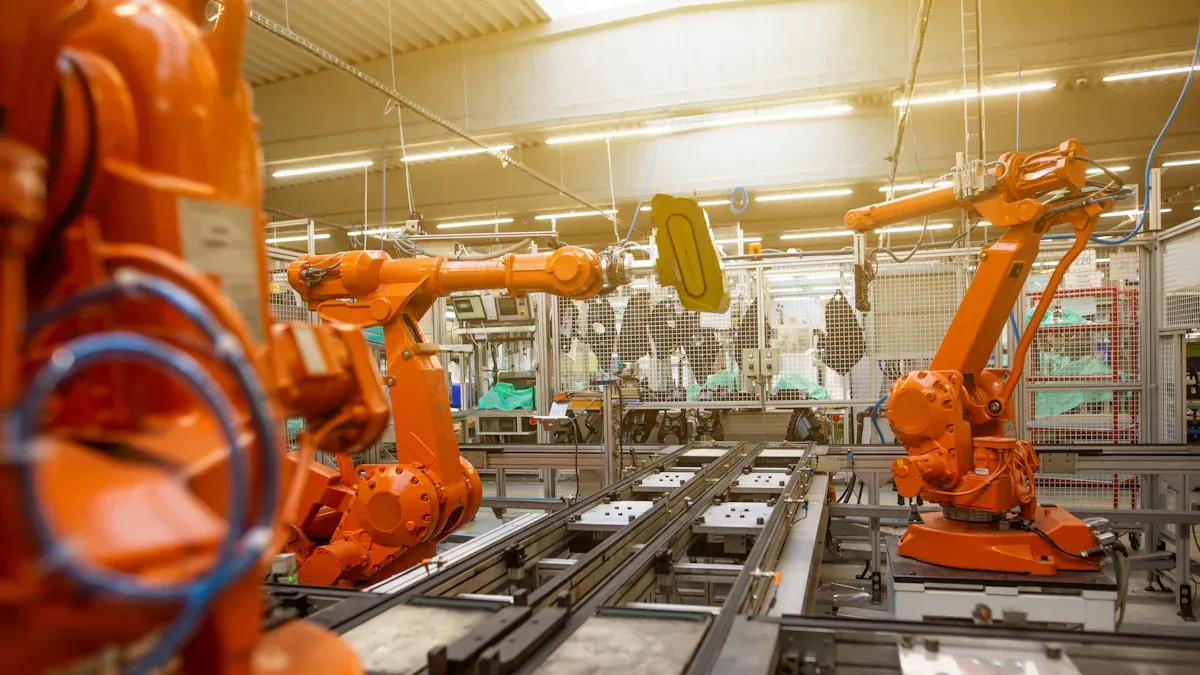
Your shop floor layout determines your daily material flow efficiency. Evaluating overall footprint size helps you choose between different machine configurations. Small facilities often choose a U‑shape auto duct line to conserve floor space. This compact layout positions decoiling and seam folding stations side by side. Straight-line machinery setups require long bay dimensions, but they process raw galvanized steel sheet continuously without bending material paths. An L-shape configuration provides a balanced duct layout for medium facilities with intermediate square footage. Choosing the proper line configuration ensures smooth transition from raw metal coils to completed rectangular ductwork.
Effective coil storage reduces material transfer time from storage to your primary production line. You must match rack placement to your maximum coil roll size. Vertical storage equipment optimizes physical footprint and streamlines daily material movement:
|
Design Feature |
Floor Space Optimization |
Material Handling Time Reduction |
|---|---|---|
|
Vertical coil storage racks |
Maximizes vertical space, reduces floor clutter |
Improves coil accessibility, reduces retrieval time |
Positioning racks near decoilers minimizes unnecessary coil movement. This setup protects sensitive soft aluminum coils and heavy steel rolls from handling damage during routine loading operations.
Operating climate influences machinery selection and material preservation directly. High humidity accelerates surface oxidation on exposed steel sheet stock before fabrication. You must maintain controlled internal shop temperatures to protect specialized machine tooling and electrical CNC controls. Proper climate management preserves raw aluminum sheet stock during storage. Managing indoor air quality also reduces dust accumulation inside sensitive hydraulic components during continuous hvac installation projects.
Facility environment dictates your material handling practices during full hvac ductwork production runs. Cold shop temperatures change hydraulic fluid viscosity and alter line operating speeds. You should calibrate machine drive rollers to maintain precise feed length accuracy across every target duct size. Matching sheet steel thickness to machine capabilities prevents unnecessary equipment wear. A well-planned facility layout supports proper equipment ventilation. Correct duct size verification during production prevents material waste. Every planned duct layout modification should accommodate your specific climate control needs to preserve aluminum coil stock and operational productivity.
Modern CNC controls transform daily sheet metal operations. You eliminate manual double entry of CAD drawings by sending models directly to your machinery. Specialized nesting software programs optimize material usage across continuous runs of galvanized steel sheet stock during high-speed cutting.
|
Software |
Description |
|---|---|
|
SigmaNEST |
Advanced nesting software that strategically arranges parts on sheet metal to minimize waste and reduce scrap. |
|
Hypertherm ProNest |
Uses high-yield nesting algorithms and common line cutting to minimize skeletons and material waste. |
Automated cutting path algorithms reduce scrap steel generation and lower energy consumption. An automatic HVAC duct production line featuring integrated fitting input tools lets your operators create job batches without a CAD environment. This direct automation streamlines your duct fabrication workflow and reduces your reliance on highly skilled technicians.
OneClick automation runs common job tasks automatically to reduce manual programming labor.
Integration with ERP, MRP, and MES systems automates redundant queueing and tracking tasks.
Evaluating long-term cost of ownership helps you calculate accurate return on investment. Advanced machine designs feature self-cleaning components to lower overall maintenance requirements. These intelligent systems detect mechanical issues early to prevent unexpected facility downtime. Heavy structural steel frames ensure long-term machine durability during continuous operations.
A compact U‑shape auto duct line delivers practical fabrication solutions for shop managers focused on footprint efficiency. Upgrading your primary hvac duct line helps your shop produce consistent ductwork fittings while reducing scrap sheet metal. You can calculate precise payback metrics for new machinery upgrades:
Calculate net annual cash benefit by subtracting new operating costs from total savings.
Divide complete installed investment by net annual cash benefit to find simple payback.
Determine cost per good part by dividing total route cost by your accepted ductwork volume.
A shop that implemented an automated laser nesting system reduced material waste by 22% and tightened yield variance from 76–87% to a consistent 86–92%. This allowed them to reduce their material cost contingency from 20% to 8%.
Selecting the ideal hvac duct line requires balancing daily production tonnage, floor layout dimensions, flange preferences, and expected ROI.
Follow this step-by-step checklist when evaluating potential machinery options:
Calculate your daily material tonnage requirements.
Measure physical floor space to choose a straight configuration or a compact U‑shape auto duct line.
Verify SMACNA flange building code compliance for target projects.
Select an automatic HVAC duct production line to streamline seam closing and maximize overall ROI.
Modernizing your hvac equipment shields your business against labor shortages and evolving building codes. Intelligent machinery secures precise ductwork quality while positioning your shop for sustainable future growth.
You must evaluate your available floor space first. A straight line requires long shop bays for uninterrupted sheet processing. A compact U‑shape auto duct line fits smaller shop footprints while maintaining full production features for rectangular ductwork.
Accurate duct sizing ensures your machine handles the specific sheet gauges required for target projects. Selecting machinery with precise duct sizing controls material waste and helps maintain design airflow throughout your finished duct size sections.
Shop managers targeting high-volume commercial contracts require an automatic HVAC duct production line. This high-capacity equipment automates decoiling, seam forming, and flange creation. Your shop reduces manual labor hours while increasing output consistency across continuous runs.
Local building codes require specific joint integrity standards. Choosing equipment with integrated TDF or TDC flange forming guarantees full SMACNA compliance. This capability streamlines your hvac installation processes and ensures leak-free joints for demanding commercial facilities.
Small shops should select modular line configurations. An entry-level machine matches lower daily tonnage needs and optimizes physical shop size limitations.
online service



 IPv6 network supported