
Technical expertise and a proven track record matter most when you evaluate an HVAC Duct Machine Manufacturer. Marketing brochures rarely reveal these qualities. You need evidence you can inspect and test.
Reliability shows up in concrete details. Examine machine specifications, application fit, compliance records, cost-effectiveness, and after-sales support. Ask how an HVAC lock former machine holds tolerance under daily production. Request performance data from an automatic HVAC duct manufacturing line already running in a shop like yours.
This guide gives you a practical evaluation framework. Apply it during supplier vetting, and judge HVAC duct fabrication machines on verified performance rather than sales claims.
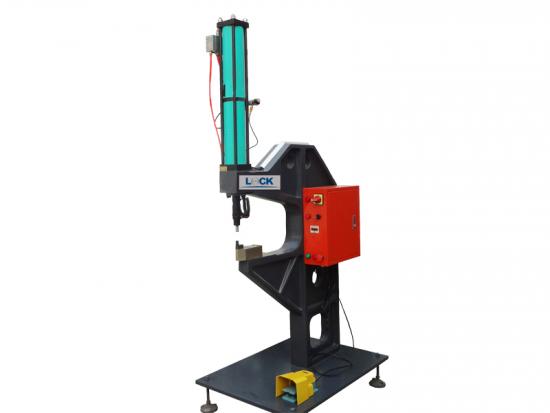
Start with the frame. A welded steel frame with stress-relieved joints resists vibration better than a bolted frame. Vibration shortens bearing life and blurs seam accuracy. Ask the supplier to show you the frame drawing and the weld inspection record. Inspect core components next: motors, gearboxes, bearings, and hydraulic units. Named brands with published service ratings tell you more than generic labels. Request the component list in writing and confirm each part number. Look at the control system too. A modern PLC with a clear HMI shortens operator training and simplifies troubleshooting. Ask how the controller logs faults and whether the supplier offers remote diagnostics. Finally, check production tolerances. Ask for a sample duct section and measure the lock seam and corner accuracy with your own gauge. Run several samples and compare the results. Consistent output across a batch confirms that the machine holds tolerance in daily production. This step separates serious HVAC duct fabrication machines from assembled kits.
Lockforming sits at the heart of duct fabrication. A well-built HVAC lock former machine produces a consistent seam on every pass. Poor guide rail setup causes most lockforming faults, and the table below shows what to check.
|
Failure Mode |
Cause |
Prevention |
|---|---|---|
|
Lock not formed |
Guide rail position smaller than specified size |
Debug and fix the guide rail to the specified position before use |
|
Lock size out of tolerance, plates cannot lock, material waste |
Guide rail position larger than specified size, feed too wide |
Set the guide rail to the correct specified size during pre-use debugging |
|
Misalignment with uneven lock width |
Severely skewed guide rail |
Align and fix the guide rail to the specified position |
|
Cracking during lock forming (aluminum plate) |
Poor plasticity of aluminum plate |
Run a forming test before construction |
|
Overloading, wear or mechanical accidents (stainless steel) |
Stainless steel strength higher than ordinary steel plate |
Run a forming experiment before using stainless steel |
Guide rail alignment deserves special attention during commissioning. A skewed rail produces uneven lock width, and a rail set too wide wastes material on every pass. Ask the supplier's technician to demonstrate the correct setup procedure and record the specified position for your records. Material choice also matters. Aluminum plate with poor plasticity can crack during forming, so run a forming test before construction. Stainless steel demands a forming experiment before use because its strength exceeds ordinary steel plate and can overload the equipment.
Automation options change the fit. An automatic HVAC duct manufacturing line suits high-volume shops that run long, repetitive batches. A standalone plasma cutter serves shops with varied, custom work. A combined line with an integrated cutter fits shops that want one workflow from coil to finished duct. Match the configuration to your order profile, not to the brochure. Ask the supplier to run your own gauge material through the demo machine. Aluminum and stainless steel behave differently, so test the material you actually buy.
Use this checklist during a machine demonstration. Bring your own material and drawing, because a demo on the supplier's sample stock proves little.
A responsive HVAC Duct Machine Manufacturer will welcome these tests. Treat hesitation as a warning sign.
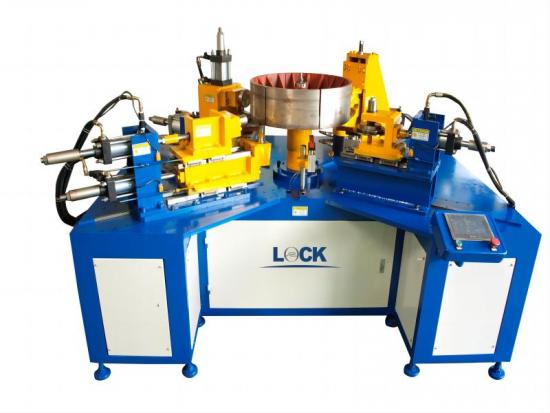
Your ductwork profile, material gauges, and shop layout should drive the machine configuration. Ask the supplier to confirm customization in writing before you sign. Common requests include custom duct profiles, insulated ducts, and irregular dimensions for complex building layouts. Reputable builders accommodate these needs through quick-change tooling systems and automated profile adjustment. The machine then shifts settings for varying shapes, sizes, and materials without manual reconfiguration. Confirm that your HVAC duct fabrication machines can handle the gauges you actually buy, and request a sample run on your own material.
Shop size shapes the right choice. A compact shop gains flexibility from a standalone lock former paired with a plasma cutter. A high-volume plant benefits from an automatic HVAC duct manufacturing line that moves coil to finished duct in one workflow. A mid-size operation often fits best with a combined line and an integrated cutter. Each configuration serves a distinct order profile, so match the equipment to your production mix rather than to a showroom demo.
Certifications prove that a machine meets recognized safety and performance standards. Verify the marks that apply to your target market. The table below lists the main ones and what each signifies.
|
Certification / Mark |
What It Signifies |
|---|---|
|
UL / CSA |
Safety compliance to harmonized U.S. and Canadian standards |
|
ETL Listed Mark |
Safety compliance accepted by inspectors and code officials |
|
CE marking |
Conformity with applicable EU directives |
|
CB Scheme |
Streamlined approvals across multiple countries |
|
AHRI certification |
Verified performance and energy efficiency claims |
Ask any HVAC Duct Machine Manufacturer for the test reports behind each mark. Third-party testing by an OSHA-recognized NRTL strengthens the case for authority approval. Also confirm conformity with ASHRAE ductwork standards, SMACNA HVAC duct construction standards, ISO sheet metal fabrication equipment standards, and the EU Energy Performance of Buildings Directive where relevant.
Building energy codes require sealed and insulated ductwork. Automated fabrication achieves tighter tolerances and more consistent seam quality, which helps manufacturers and contractors meet stringent duct leakage specifications.
The purchase price is only one line in the ledger. Build your comparison around total cost of ownership, and weigh each factor the same way for every supplier.
Ductwork and structural work often cost more in labor and materials than the equipment upgrade itself. Apply the same logic to your shop. A cheaper HVAC lock former machine that wastes material on every pass costs more over its service life than a precise unit. An automatic HVAC duct manufacturing line carries a higher sticker price, yet it cuts labor hours and scrap on long production runs. Ask each supplier for a lifecycle view, not a quote sheet.
A strong warranty covers parts and labor for a defined period and states response times in writing. Confirm spare-parts availability and the promised shipping window for critical components. Ask whether the agreement includes remote diagnostics, operator training, and scheduled maintenance visits. Get the terms in writing before you commit.
Score every HVAC Duct Machine Manufacturer on the same criteria: purchase price, installation, consumables, energy use, downtime, and support quality. Use one scoring sheet for all bidders. A system lasts 15–20 years, so small annual savings compound. Request performance data from comparable shops to validate each claim.
Ask each supplier for documented case studies and customer references. Evaluate them against two dimensions, and score every bidder the same way.
|
Evaluation Dimension |
What to Verify |
How It Supports the Purchase Decision |
|---|---|---|
|
Successful case studies |
Installations across multiple countries or large-scale HVAC projects; documented customer case studies and brand collaborations |
Confirms the supplier's track record on real projects of comparable scale |
|
Customer feedback and market reputation |
Reviews from HVAC contractors and duct workshops; long-term partnerships with large companies; export experience to Europe, the Middle East, Southeast Asia, and North America |
Demonstrates proven reliability, repeat trust from major buyers, and familiarity with international standards and logistics |
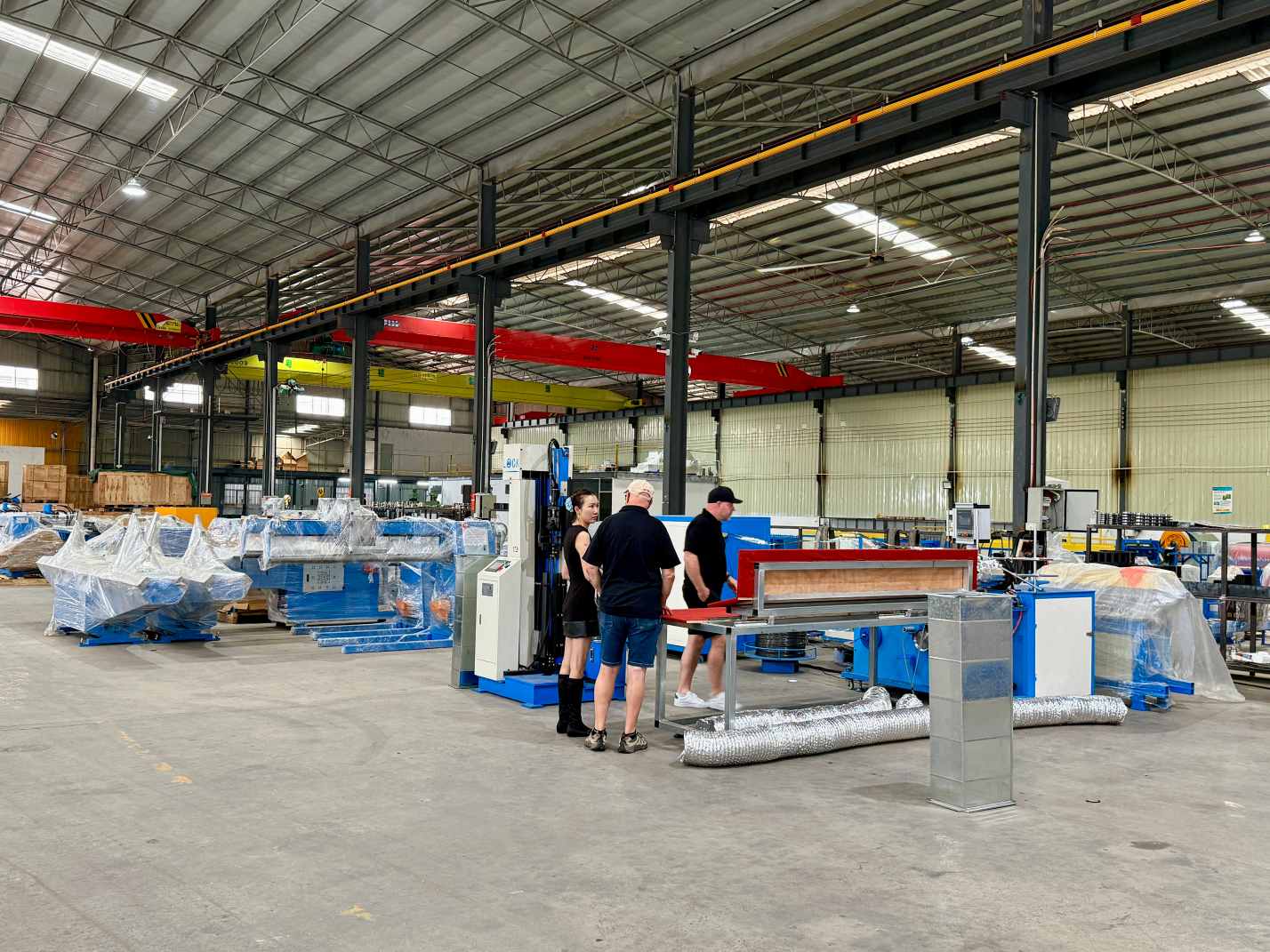
Request a site visit to a shop running the same configuration you plan to buy. Watch the machine work on material similar to yours. Speak with the operator without the sales team present.
Communication speed during the sales process predicts long-term support quality. Track how fast the team answers inquiries, and note whether replies arrive with technical substance or generic reassurance. Clear, transparent communication matters too. Teams that explain technical details in plain language and clarify timelines, scope, and costs prevent misunderstandings and build trust.
"What truly sets them apart is their proactive communication and ability to pivot with our needs... It is a relief to work with a team that treats our success as their own." — Derrick Conyers, Su' Coy Heating, AC & Duct Cleaning
Post-service support completes the picture. Ask about follow-up visits, maintenance plans, and response times after installation. A reliable HVAC Duct Machine Manufacturer treats the sales phase as a preview of the service relationship. Cross-check every reference independently before you commit. Call past customers the supplier did not name, and confirm the claims yourself.
You now have a complete evaluation framework. Score every HVAC Duct Machine Manufacturer on technical capability, application fit, compliance, cost and ROI, after-sales support, and verified reputation. Weigh airflow performance, spatial constraints, acoustics, and budget together. Favor a supplier with diverse fabrication capabilities, since that breadth lets them optimize across all your criteria.
Technical expertise and a proven track record remain the strongest indicators of reliability. Use the checklists in this guide, request a demonstration on your own material, and call references before you commit. Verify the HVAC lock former machine, the automatic HVAC duct manufacturing line, and every HVAC duct fabrication machines claim against evidence you gather yourself.
Bring your own material and drawing. Watch a full lock cycle, then measure the finished duct against your drawing. Ask the operator to change a setting and time the changeover. Request the maintenance schedule and spare-parts list. A confident supplier welcomes these tests on an HVAC lock former machine.
Run a forming test on the exact gauge you buy. Aluminum plate with poor plasticity can crack during lock forming. Stainless steel demands a forming experiment before use because its strength exceeds ordinary steel plate. Ask the supplier to document the guide rail position for each material you run.
Check the marks that apply to your market: UL or CSA, the ETL Listed Mark, CE marking, CB Scheme, and AHRI certification. Ask for the test reports behind each mark. Confirm conformity with ASHRAE ductwork standards and SMACNA HVAC duct construction standards. These records support code approval for your HVAC duct fabrication machines.
Score every bidder on one sheet: purchase price, installation, consumables, energy use, downtime, and support quality. A system lasts 15–20 years, so small annual savings compound. Request performance data from comparable shops. A precise unit that wastes less material often beats a cheaper automatic HVAC duct manufacturing line on lifecycle cost.
Ask for documented case studies and customer references, then score them the same way for every bidder. Request a site visit to a shop running your planned configuration. Speak with the operator without the sales team present. Call past customers the supplier did not name, and confirm each claim yourself.
online service



 IPv6 network supported