
Choose a CNC Plasma Cutter for automotive work by matching plate size, material and thickness, cut quality, duty cycle, and support to your production needs.Start with plate size. Then weigh material and thickness, cut capacity and duty cycle, cut quality, table footprint, controller, safety compliance, and total cost of ownership. This framework lets you compare CNC Plasma Cutter tables on equal terms. Lockforming Machinery appears as an example where specifications and support matter.
Body panels demand precision, and auto body shops often run mixed batches. A CNC Plasma Cutter suits that work. Treat CNC plasma cutting as a production process, not a single purchase. Solid CNC plasma cutting depends on service backup. Budget for the CNC Plasma Cutter, then confirm manufacturing support before you sign. A cheap CNC Plasma Cutter rarely stays cheap.
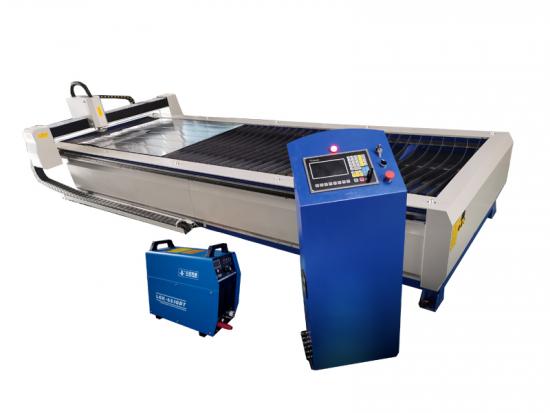
Plate size is your starting point. Measure the largest sheet or blank your shop will realistically cut, such as a full 4' x 8' sheet, and treat that dimension as the floor for your machine's rated cut area. A table that cannot swallow the full sheet forces you into pre-cutting, extra handling, and wasted stock. Write the number down before you look at any catalog.
Next, list the materials and thicknesses your automotive work involves. Mild steel dominates brackets, mounts, and frame pieces. Aluminum shows up in panels and lightweight components. Stainless appears in exhaust systems. For exhaust flanges, tubing holes, and similar features, plan on cutting up to 1/4 inch. Confirm the rated cutting thickness for each material separately, because a machine's mild steel rating rarely carries over to aluminum or stainless at the same speed and edge quality.
Daily runtime decides your duty-cycle requirement. Track how many hours per shift the machine will actually arc, not how long the shop stays open. A job shop running short batches has a different profile than a production line cutting near-continuously. Add up the arc-on time across a typical week, then compare that figure against each machine's rated duty cycle.
Duty cycle describes how long a plasma cutter runs at a given output before it needs to cool. Exceed that limit and the machine derates or stops mid-cut, which ruins nested parts and wastes material. Match the rating to your heaviest week, not your average one. If your volumes are still growing, build in headroom now rather than replacing the power supply later.
Two more needs belong in this assessment. First, note whether you will cut large, awkward parts that favor fixed plasma cutter tables, or smaller brackets that suit a portable CNC metal plasma cutting machine moved between work areas. Second, record your operator's interface preference, since an LCD plasma cutting machine simplifies setup for mixed batches. Document these needs alongside plate size and runtime. The resulting profile becomes the yardstick for every model you evaluate, and it keeps the comparison honest when specifications start to blur together.
Power level drives what a plasma cutter can sever cleanly. A 40-amp plasma cutter handles thin sheet and light plate well. A 60-amp plasma cutter cuts thicker steel faster and holds speed on longer seams. Pick the lower power level when your work stays thin and your volumes are modest. Step up to 60 amps when you routinely cut plate near the top of your thickness list or when arc-on hours run high. Undersizing forces slow travel speeds, and slow speeds widen the kerf and soften the edge. Oversizing wastes money on capacity you never use. Compare rated cutting capacity per material, not a single headline number.
A CNC plasma table needs more floor space than its cutting dimensions suggest. Plan clear access on every side for loading full sheets and removing finished parts. A table rated for a 4' x 8' sheet still needs room for the gantry travel, the plasma torch swing, and the operator's path. Measure your bay before you commit. Confirm the controller supports the nesting software your shop already runs, and check that the accuracy figure applies across the full table, not just the center.
Specification sheets blur together after the third model. Lockforming Machinery serves as one example source for side-by-side specification comparisons and cut samples. Request samples in your own materials at your own thicknesses. A sample cut in 1/4 inch steel tells you more about edge finish than any brochure. Run the same test part on two or three CNC plasma cutting machines and compare the results directly. That habit keeps your evaluation grounded in evidence.
Automotive work covers a defined family of parts. You will cut brackets, mounts, chassis frames, and custom exhaust systems. Body panels and damaged vehicle panels also enter the mix at auto body shops. Each family carries its own edge standard. Brackets need clean, square edges for a solid weld. Chassis frames demand high-precision cuts, because a loose fit weakens the joint. Exhaust parts need smooth edges for a reliable seal.
Compare cut quality between models with sample cuts in your own steel. Ask each supplier to cut the same test part. Inspect the kerf width, the dross on the underside, and the squareness of the edge. A plasma cutter that holds precision on a long seam suits frame work. One that leaves heavy dross slows your finishing step. Run the test on every candidate before you commit.
Automation raises cut quality, productivity and precision across the shop. Nesting software packs parts tightly onto each sheet and cuts material waste. Look for a controller that accepts your existing nesting files without conversion. Material handling options matter too. A shuttle table or a loading system keeps heavy sheets moving and protects your operators.
Match the automation level to your volume. A small fabrication shop may need only nesting software and a simple interface. A growing operation benefits from automated material handling and a controller that tracks jobs. Confirm each option integrates with your current workflow. Ask for a demonstration on real automotive parts, not a stock sample. That test shows how the system performs under your production conditions.
Compliance starts with the standards your region applies to CNC plasma cutting equipment and electrical installation. Confirm the machine carries required certification marks. Verify the installation meets local electrical codes. Treat supplier documentation as a starting point, not legal advice. Ask your supplier which standards the plasma cutter is built to, and record the answer. Safe CNC plasma cutting also depends on a clean power supply.
Fume extraction belongs in the purchase plan, not the afterthought list. CNC plasma cutting produces fumes and sparks at the arc. Fit extraction at the cutting table and size it to your duty cycle and material mix. Ground the table and the workpiece properly. Poor grounding invites arc faults and erratic cuts on any plasma cutter. A plasma cutter that vents into a closed bay puts every operator at risk. Check grounding before every shift. Inspect extraction filters on a fixed schedule.
Train every operator on the specific CNC plasma cutting machines in your shop. Cover torch height control, consumable changes, and emergency stops. Untrained operators damage the plasma torch and create real hazards. Confirm each operator can stop the plasma cutter without hesitation. Treat every plasma cutter as a live circuit until you lock it out. Refresh training when you add a model or change materials. Good CNC plasma cutting training covers the controller as well as the torch.
Layout decides how safely you load and unload. Leave clear access around plasma cutter tables for full sheets and finished parts. Mark the loading zone on the floor beside your plasma cutter tables. Keep plasma cutter tables clear of stored stock. Keep the cutting bay clear of walkways. Plan CNC plasma cutting around one-way traffic. Automotive manufacturing parts need a clear path off the CNC plasma table. Compare CNC plasma cutting systems on access, not footprint. Every plasma cutter in the bay needs a marked safe zone. A clean layout protects your team and your precision.
Weigh the purchase price against what the machine costs to run. Consumables, power, gas, and downtime all add up over a year of production. A cheaper plasma cutter with short consumable life can cost more than a premium unit. Calculate your annual spend on electrodes, nozzles, and shields for each candidate. Add the labor hours lost to frequent tip changes and rework.
Service support and warranty deserve the same weight as specifications. Ask how fast the supplier responds to a breakdown. Confirm the warranty covers the torch and controller, not just the frame. A stalled plasma cutter stops your automotive line, and lost production dwarfs most price differences. Compare CNC plasma tables on total cost of ownership, not sticker price. Strong support protects your cost-effectiveness and efficiency across the machine's life.
Run this sequence against two or three candidates. It keeps the comparison structured and exposes weak points early.
Evaluate CNC plasma cutting machines against this list, including a portable CNC metal plasma cutting machine if you move between bays. An LCD plasma cutting machine simplifies setup for mixed batches. Lockforming Machinery serves as one example resource for support and warranty questions. For fabrication shops weighing precision against budget, request cut samples from each supplier. Compare CNC plasma cutting systems on evidence, then negotiate. Solid CNC plasma cutting starts with a checklist you actually run.
Start with plate size, then match material, thickness, duty cycle, cut quality, compliance, and cost against return. The best plasma cutter fits your actual parts, volumes, and quality targets. It is not the largest or the cheapest model on the floor.
Run the checklist against two or three cnc plasma cutting systems. Request cut samples in your own steel, then confirm service and warranty support with a resource such as Lockforming Machinery. Auto body shops and general fabrication teams both benefit from this discipline.
Revisit the choice as volumes grow. Rising output may justify more plasma cutter tables, tighter precision, or added automation. Good cnc plasma cutting decisions age well when you plan for that growth. Every plasma cutter purchase should serve the body of work ahead, not just today's job.
Start with your largest blank, such as a full 4' x 8' sheet. Confirm the rated cut area covers it. Then measure your bay for gantry travel and loading access. Undersized plasma cutter tables force extra handling and waste stock. Size for your heaviest job, not your average one.
Choose a 40-amp plasma cutter for thin sheet and modest volumes. Step up to 60 amps when you routinely cut near the top of your thickness list. Undersizing slows travel speed and softens the edge. Compare rated capacity per material before you decide.
Request sample cuts in your own steel at your own thicknesses. Inspect kerf width, dross, and edge squareness on the same test part. A plasma cutter that holds precision on a long seam suits frame work. Run the test on every candidate cnc plasma cutting systems offer.
Yes. Fit extraction at the cutting table and size it to your duty cycle. Ground the table and workpiece properly. Train every operator on torch height control, consumable changes, and emergency stops. Safe cnc plasma cutting depends on both equipment and trained hands.
Weigh purchase price against consumables, power, downtime, and rework. Ask for warranty terms and service response times in writing. A stalled plasma cutter stops your line, and lost output dwarfs most price gaps. Strong support protects cost-effectiveness across the machine's life.

online service



 IPv6 network supported